Join us as we dive into the rich and eventful history of the Philippines, a country shaped by the influences of many cultures and events. From the early days without a central government to the impact of colonial powers, each chapter has contributed to the unique character of this archipelago. Discover the stories that have shaped this beautiful country, and gain a better understanding of why it is now becoming my new home.

The history off the Philippines
Filipino history is one of considerable adversity. In the early years of the Philippines, various groups of people arrived from all directions. It could not yet be called a country, given the lack of a central government and the absence of a single culture or religion. Apparently, it was the right time to change that.

The arrivel off the Spanish
The Spanish arrived in the Philippines in the 16th century with the aim of conquering the country and introducing the Catholic faith. Their power proved unprecedented. It took no less than three centuries before this came to an end. This was partly thanks to the Americans. They entered the picture after the Spanish declared war on the United States. This was due to a conflict between the two countries over sugar in Cuba, which also belonged to Spain.
The Americans take over
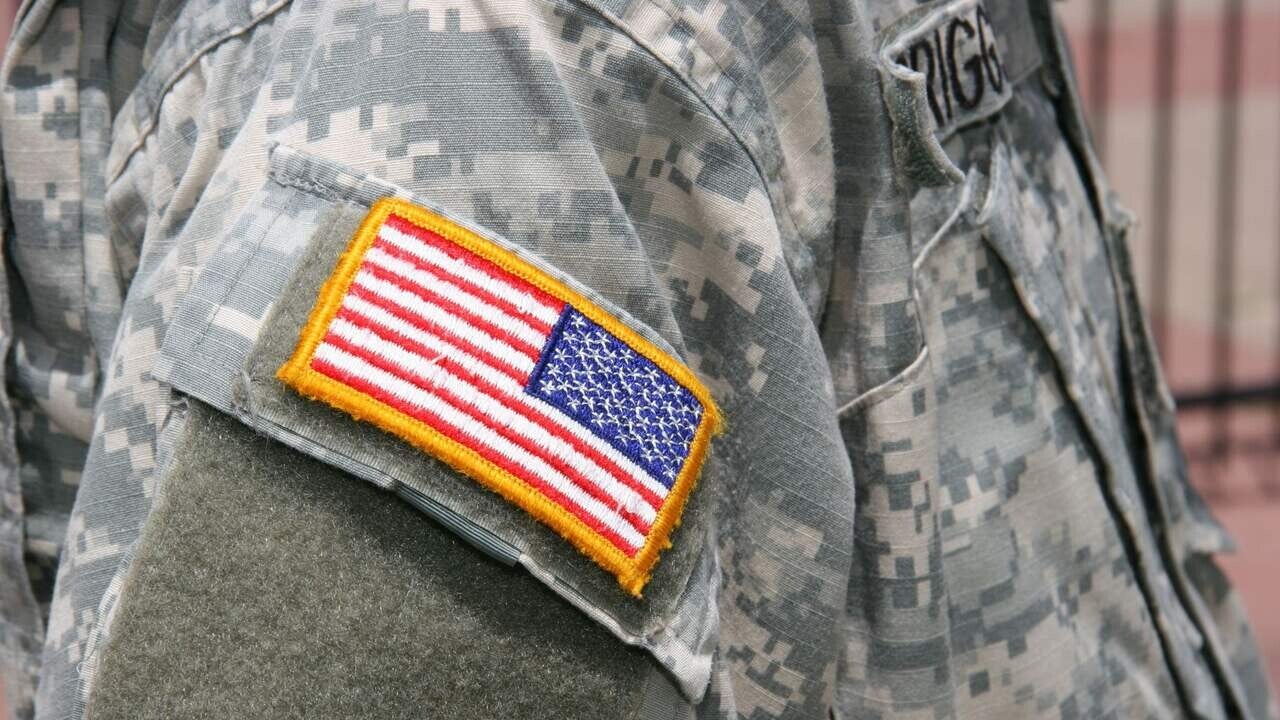
Following a treaty between Spain and the US to end the war, the US purchased the Philippines. At the time, there were many controversial discussions about the ultimate policy regarding the purchased land. Some advocated for retaining the country, arguing that it served as a strategic geographical point and for “humanitarian” reasons. They claimed that the Filipinos were incapable of governing themselves. Opponents, however, found it morally reprehensible and argued that it would entail significant bureaucratic red tape for years to come.
The resilience off a nation: education, infrastructure and independence.
The latter turned out to be the case, as the inhabitants of the Philippines rose up in revolt. This resulted in a war between the two countries. It began in February 1899 and ended in July 1902 in favor of the Americans. This war took its toll: more than 220,000 people lost their lives, 90% of whom were civilians. Of this enormous number of victims, ‘only’ 4,000 were Americans. After peace returned to the country, better times arrived. The Americans did everything they could to teach the local population English. The entire school system was overhauled. Hundreds of teachers were flown in to teach the population to read, write, and do arithmetic. This drastically reduced the number of illiterate people. They also invested in infrastructure, installed sewage systems, and promised the Philippines independence. This happened in 1935, when the first national elections were held. Unfortunately, this was short-lived, as World War II broke out shortly afterwards. This is proof of the resilience and constant change that this country has undergone, and the reason why I am so fascinated by this place.